Mariam K
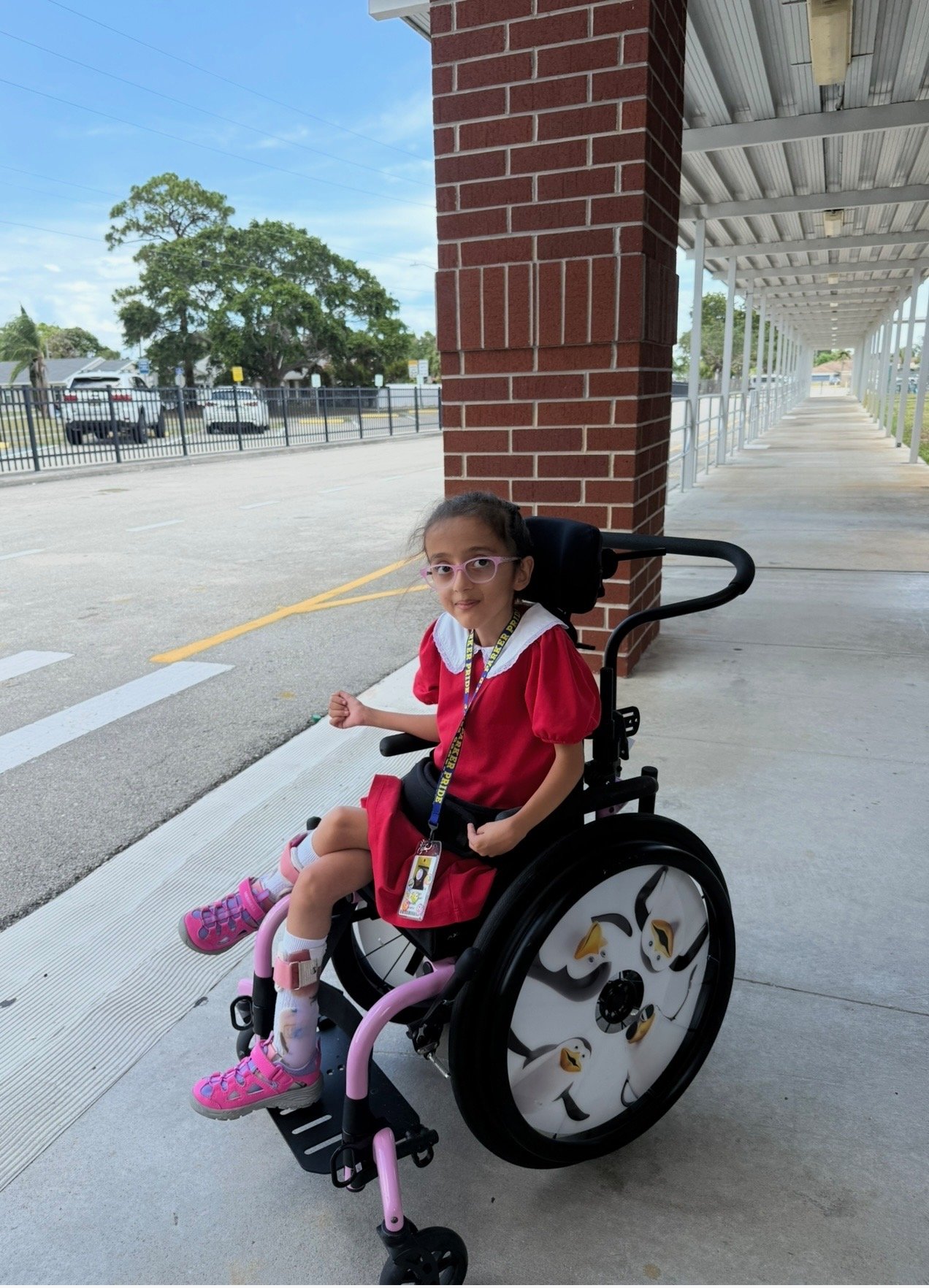
Mariam is an 8 year old girl and a little warrior from the small country of Georgia. Her journey has been filled with challenges from an early age, yet she continues to teach us every day what strength, hope, and never giving up truly mean.
When Mariam began taking her first independent steps at 18 months old, we noticed that she fell frequently and had difficulty maintaining her balance while walking. Her falls often resulted in injuries to her forehead. At first, we did not understand what was causing these difficulties. After visiting her pediatrician, we were referred to a neurologist, and a long journey of medical appointments, examinations, and tests began.
Before a diagnosis could be established, there were many different theories. Despite numerous investigations, we were unable to obtain a definitive answer. Still, we refused to stop searching because we believed there had to be a specific reason for Mariam’s condition, and we needed to understand what was happening inside her little body.
Eventually, we decided to pursue comprehensive genetic testing that would examine all of her genes. Unfortunately, testing of this scope was not available in our country, so Mariam’s genetic material was sent to Finland, where the testing was carried out by an American laboratory.
Waiting for the results was difficult. For so long, we had been searching for an answer to the question of what was causing Mariam’s condition. The results of the genetic testing would change our lives forever.
At the age of 3, Mariam was diagnosed with a rare genetic condition known as Collagen VI-related myopathy. Genetic testing identified a novel, so-called de novo, variant in the COL6A1 gene. This means that the genetic change was not inherited from her parents but arose spontaneously in Mariam herself.
Initially, Mariam’s condition was considered to fall within the milder end of the disease spectrum and was described as Bethlem myopathy, as she was still able to move and walk independently.
This was the answer we had been searching for all those years. On one hand, there was relief in finally knowing what was causing Mariam’s difficulties. On the other hand, there was fear, uncertainty, and so many questions about the future.
Collagen VI-related myopathy is a rare genetic condition that causes muscle weakness and gradually limits mobility. It can also affect the muscles involved in breathing, potentially leading to respiratory weakness and, in many cases, the need for assisted breathing support. Learning this diagnosis marked the beginning of a new and difficult chapter in our family’s life.
From an early age, Mariam struggled with everyday activities that required physical strength, particularly climbing stairs and getting up from the floor. As she grew older, gaining weight also became a persistent challenge. Despite these difficulties, she was still able to move independently and tried to live like other children.
We began physical therapy when Mariam was 2 years old, initially 3 days a week. We did everything we could to strengthen her muscles, preserve her mobility, and help her maintain her independence for as long as possible.
However, as Mariam grew, so did the challenges.
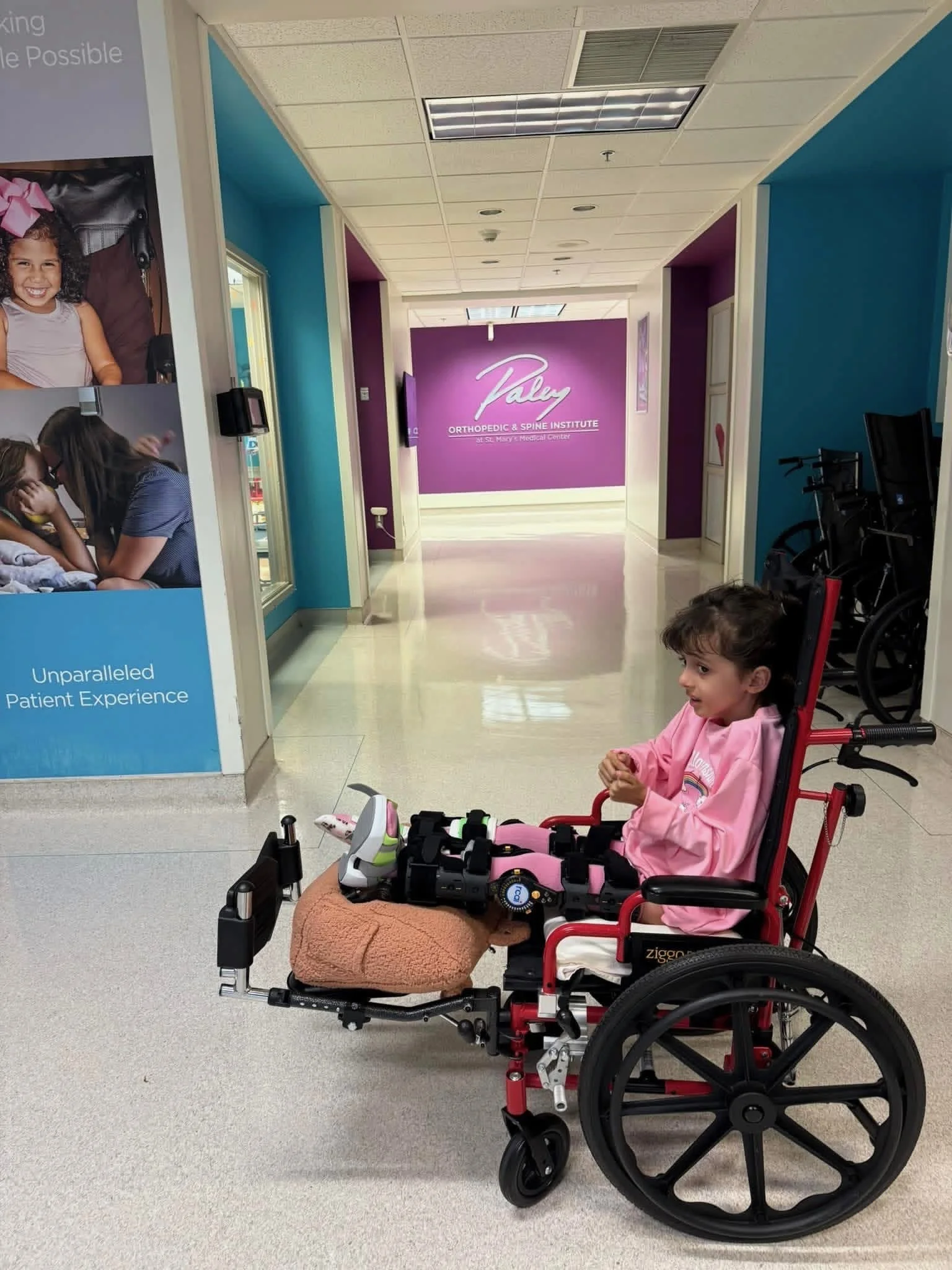
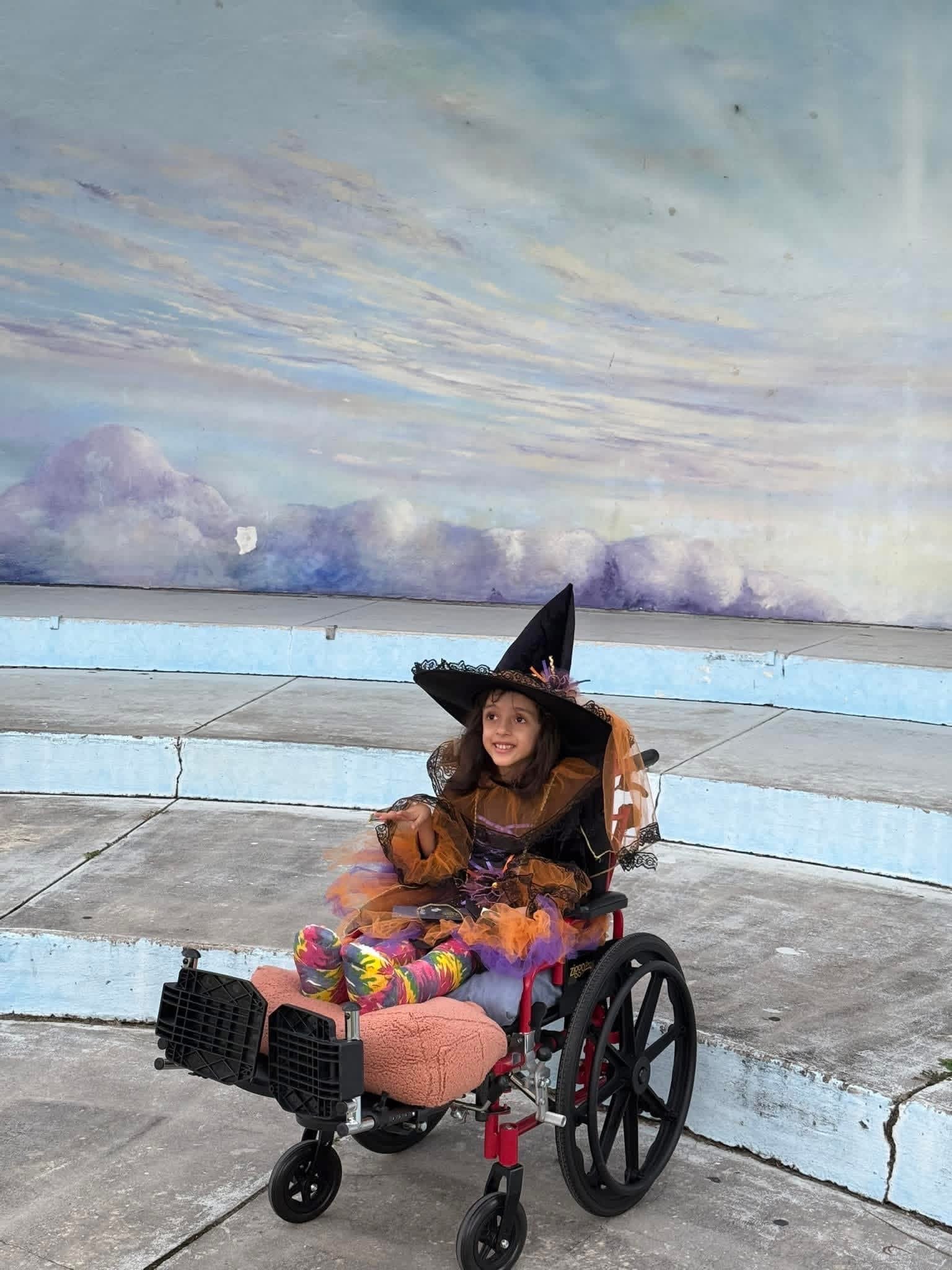
By the age of 4, her condition had worsened significantly. She fell frequently, struggled to keep up with other children, and became tired quickly while playing. She often needed to sit down while other children ran and played freely. Every day, we witnessed how much effort she had to put into activities that come naturally and easily to so many others.
We realized that physical therapy would not be a temporary form of support for Mariam. It would become an essential part of her life. Today, she attends physical therapy 2 days a week to preserve her mobility and maintain as much independence as possible.
At the age of 5, her condition became even more challenging.
The deformity in her feet had progressed to the point where moving around had become extremely difficult. Once again, we began searching for solutions. We learned about Dr. Dror Paley, an experienced orthopedic surgeon at the Paley Institute, who was traveling from the United States to Poland to help children in need of specialized orthopedic care.
We decided to take Mariam to Poland for a consultation. After meeting with the doctor, we learned that she needed complex surgeries involving both feet and her pelvis, followed by a lengthy rehabilitation process and ongoing medical supervision.
The most important thing for us was to fight for Mariam’s future. We therefore decided to continue her treatment in the United States at the Paley Institute.
At the age of 6, Mariam underwent 2 major surgical procedures involving both feet and her pelvis.
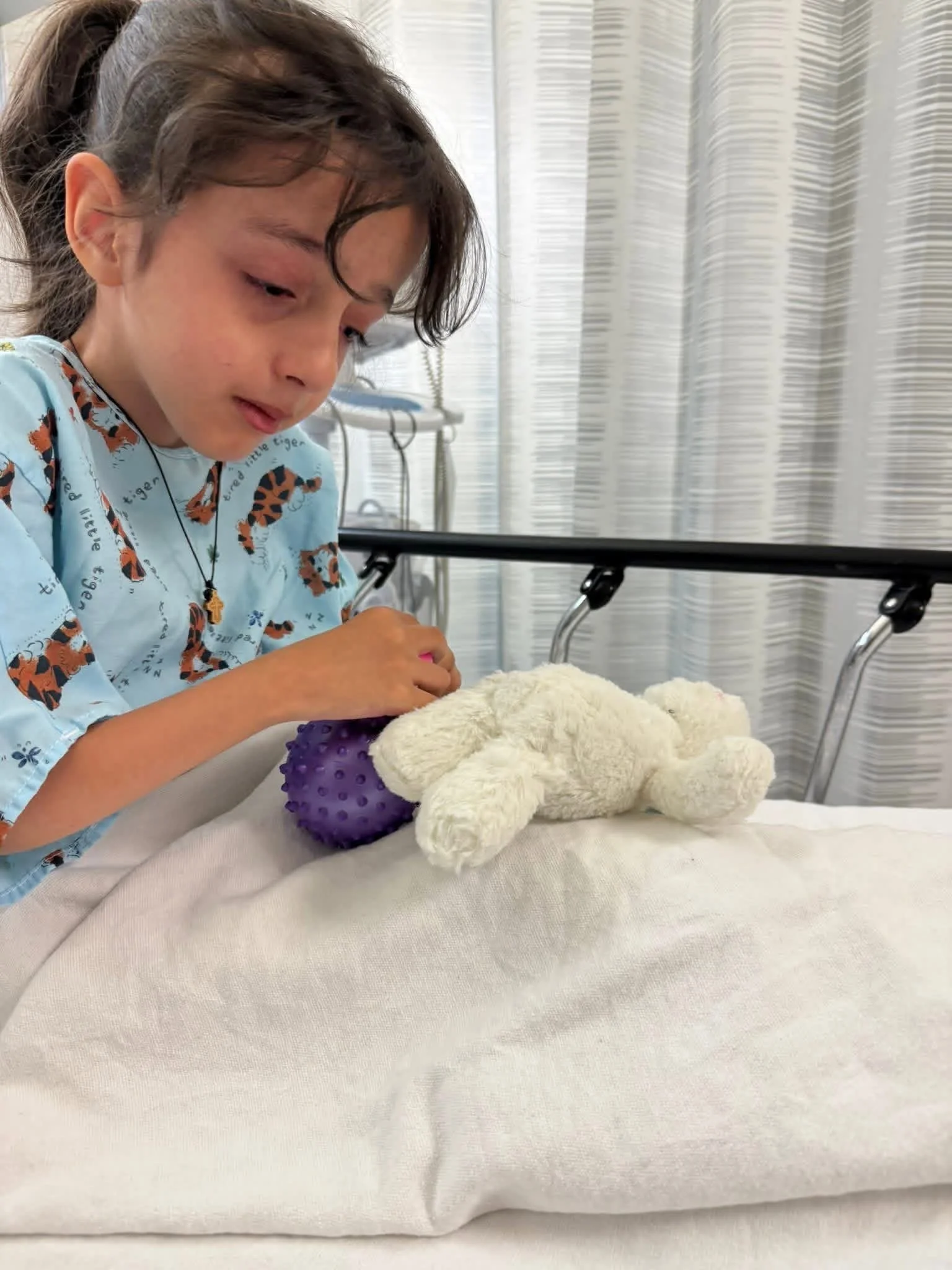
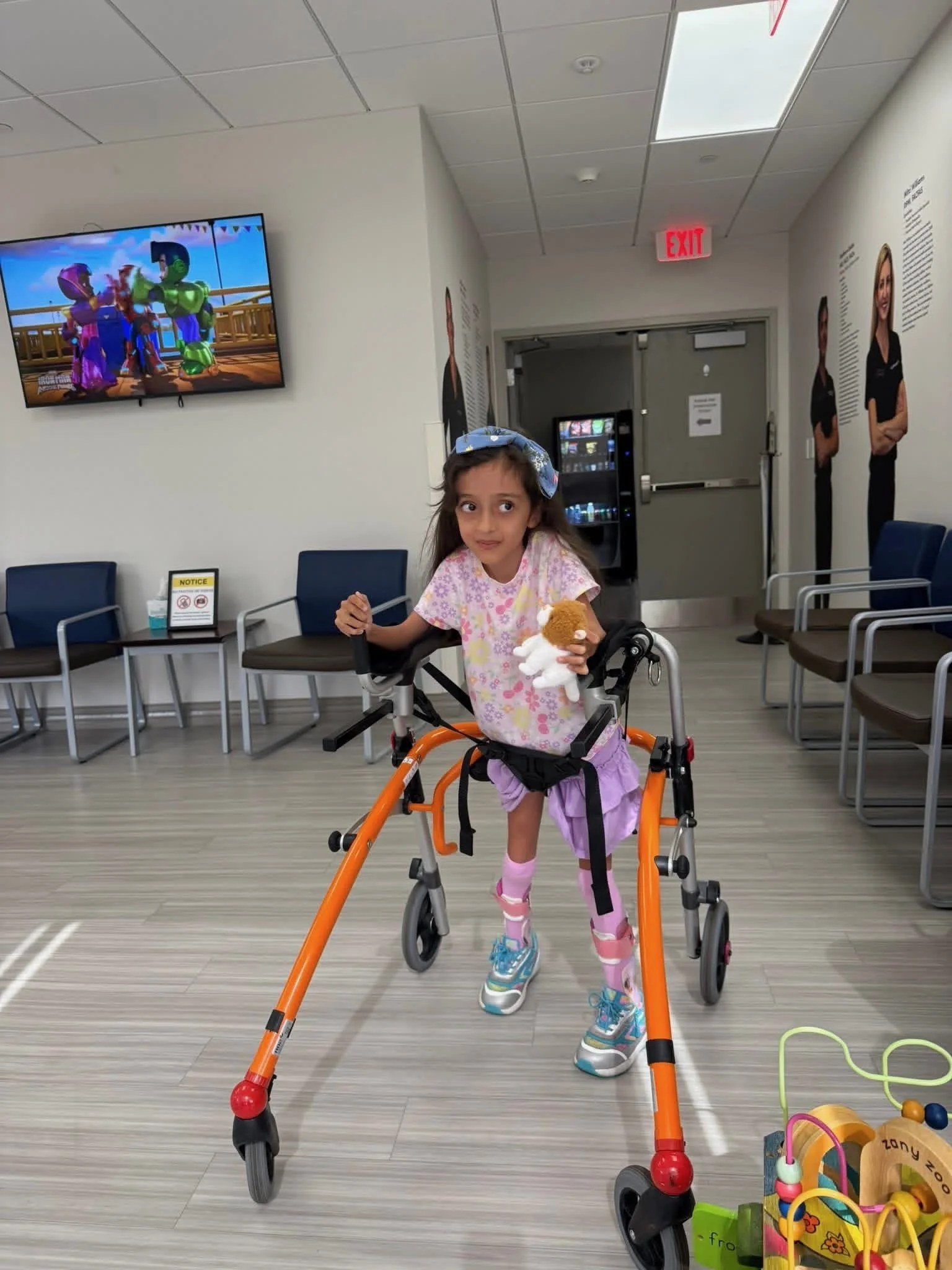
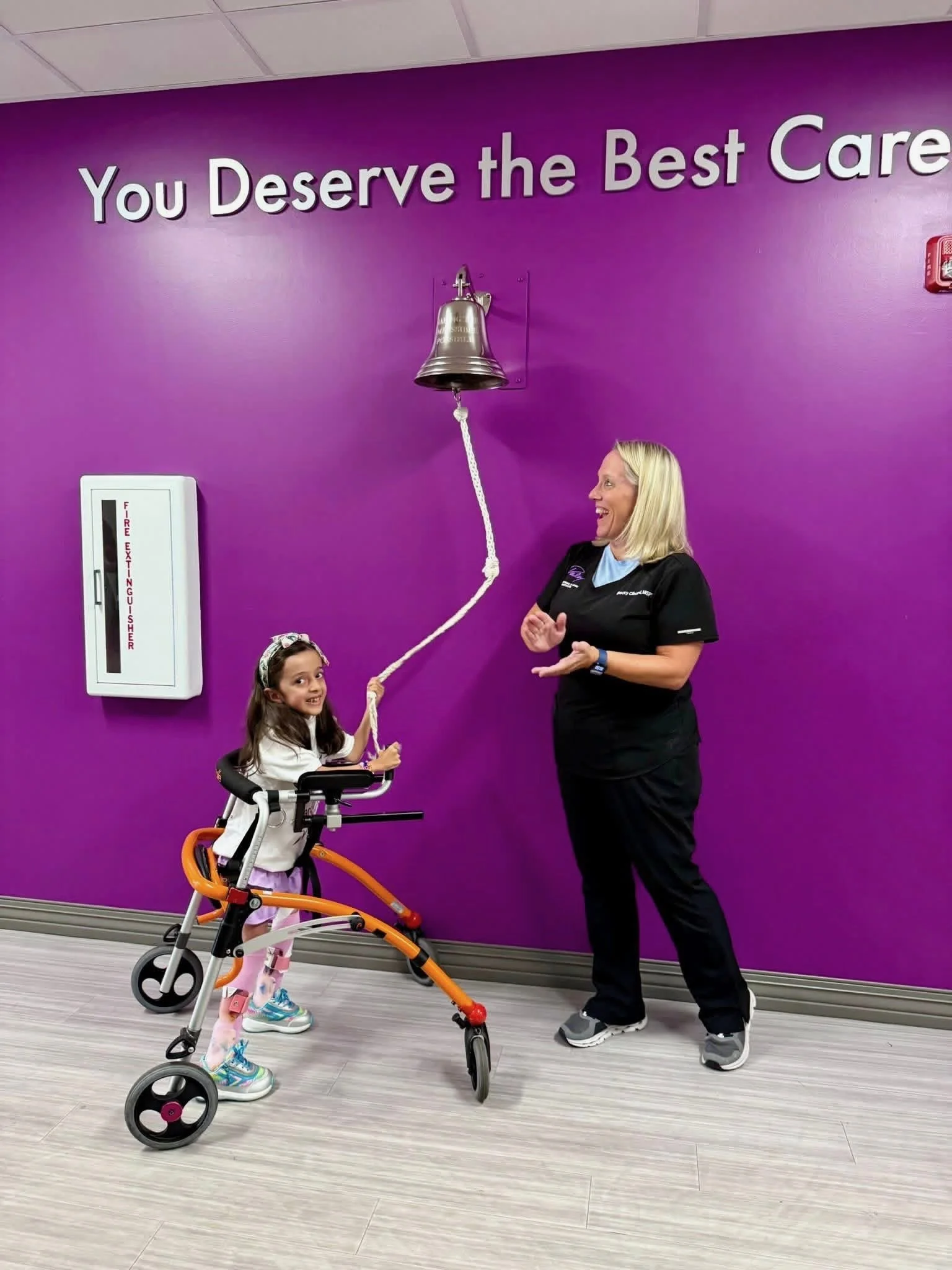
The surgeries were followed by a long and challenging rehabilitation process. Wearing braces during both the day and night became part of our daily routine. Throughout this journey, we faced numerous challenges, including difficulties with weight gain, frequent medical appointments, ongoing examinations, and the constant need for treatment and care.
Alongside Mariam’s orthopedic treatment, we began working with the Neuromuscular Clinic at Nemours Children’s Hospital, attending regular appointments there. The clinic has experience caring for and treating children with conditions similar to Mariam’s. It was important for us to have her condition monitored comprehensively by specialists experienced in this diagnosis and to receive the medical guidance and support she needs throughout her treatment.
Our daily life has also come to involve medications, the management of gastrointestinal problems, and pediatric nutritional protein supplements to help improve Mariam’s appetite and support weight gain. A pulmonologist is also involved in her care, monitoring her respiratory function and helping us address her respiratory support needs.
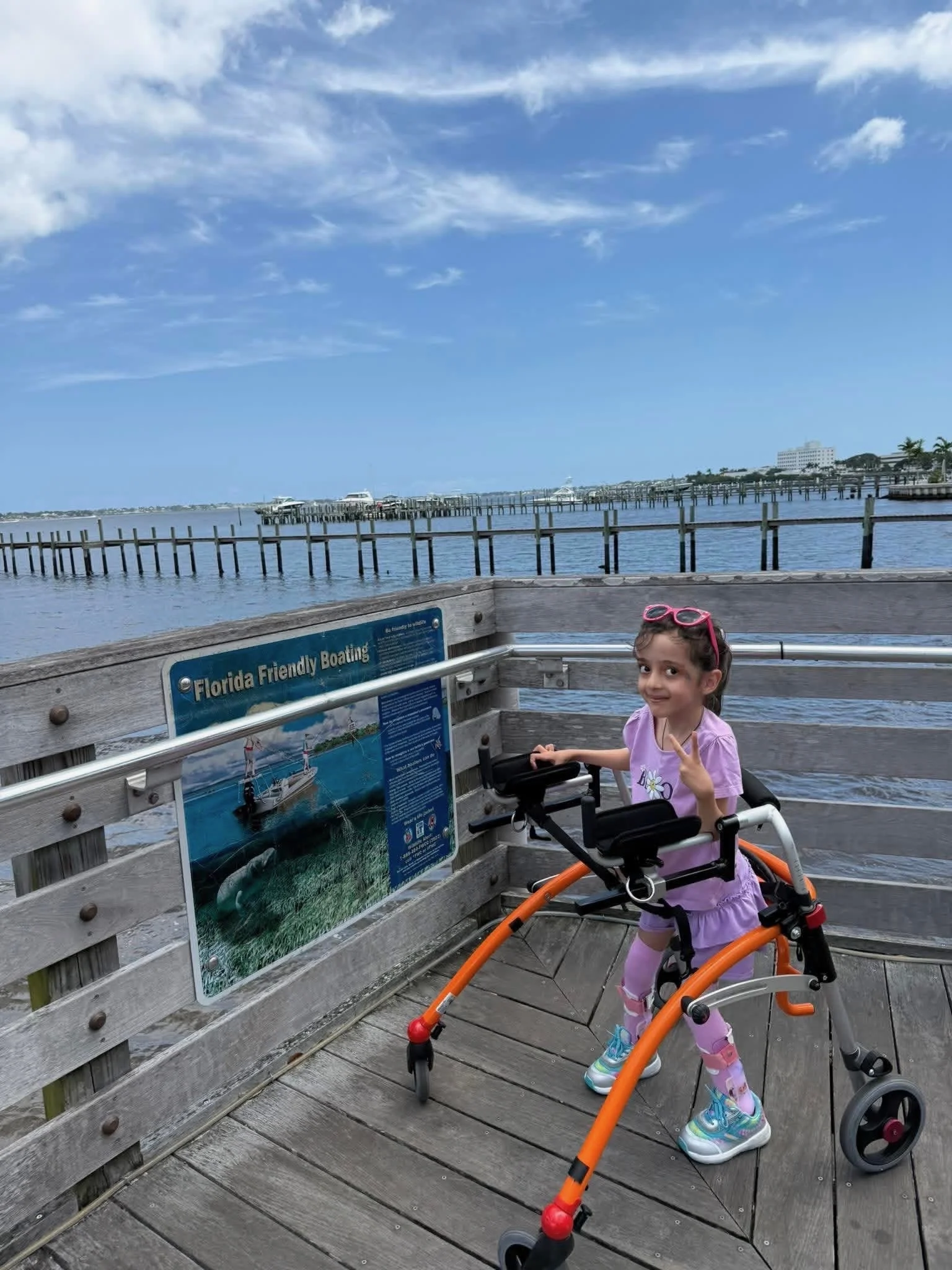
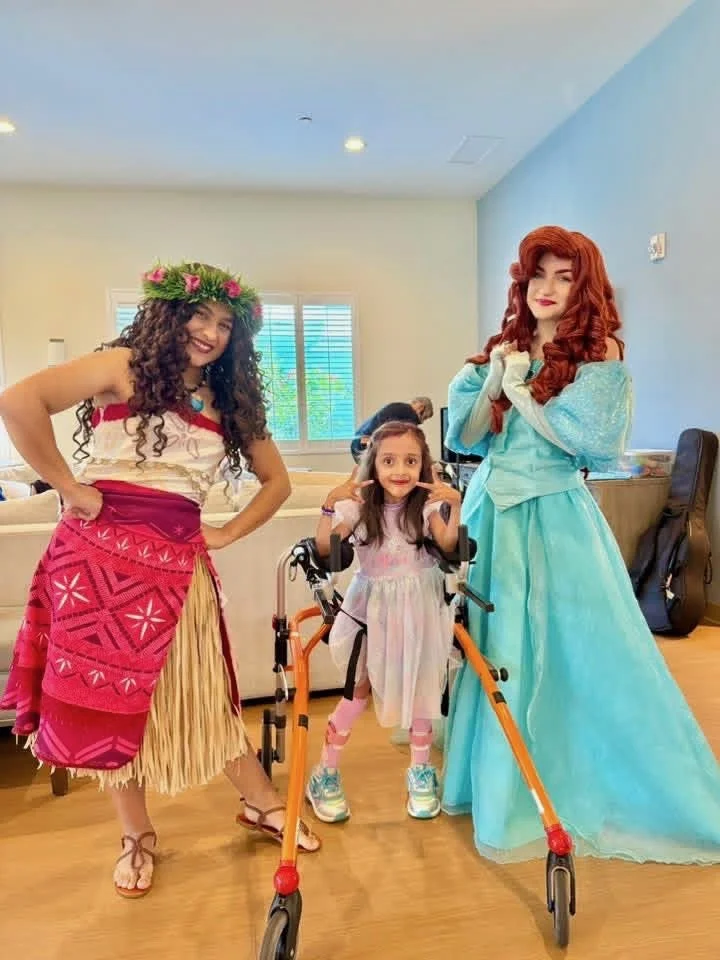
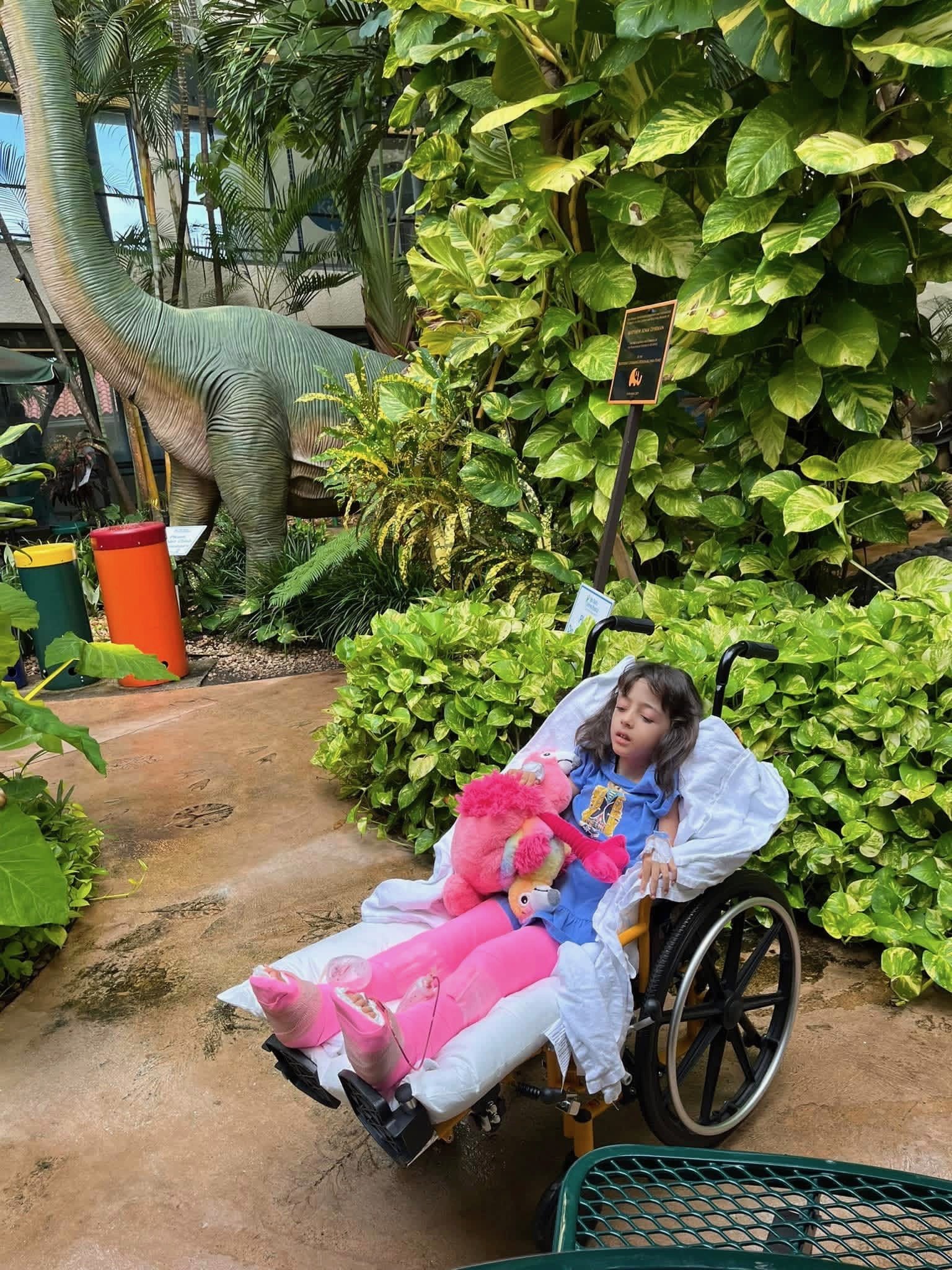
Today, Mariam can move with the assistance of a specialized walking device called a gait trainer, while she uses a wheelchair at school.
But Mariam is so much more than her diagnosis.
She is an incredibly bright, positive child with a unique personality. Her warmth, character, and outlook on life make her truly special. No matter how many challenges she has to overcome, the hope within her never fades.
She believes that one day, a medication will be developed that can restore strength to her muscles and allow her to do things independently, just like other children—things that are difficult for her to do without assistance today.
For Mariam, this hope is more than just a dream. It is the strength that helps her keep moving forward every single day.
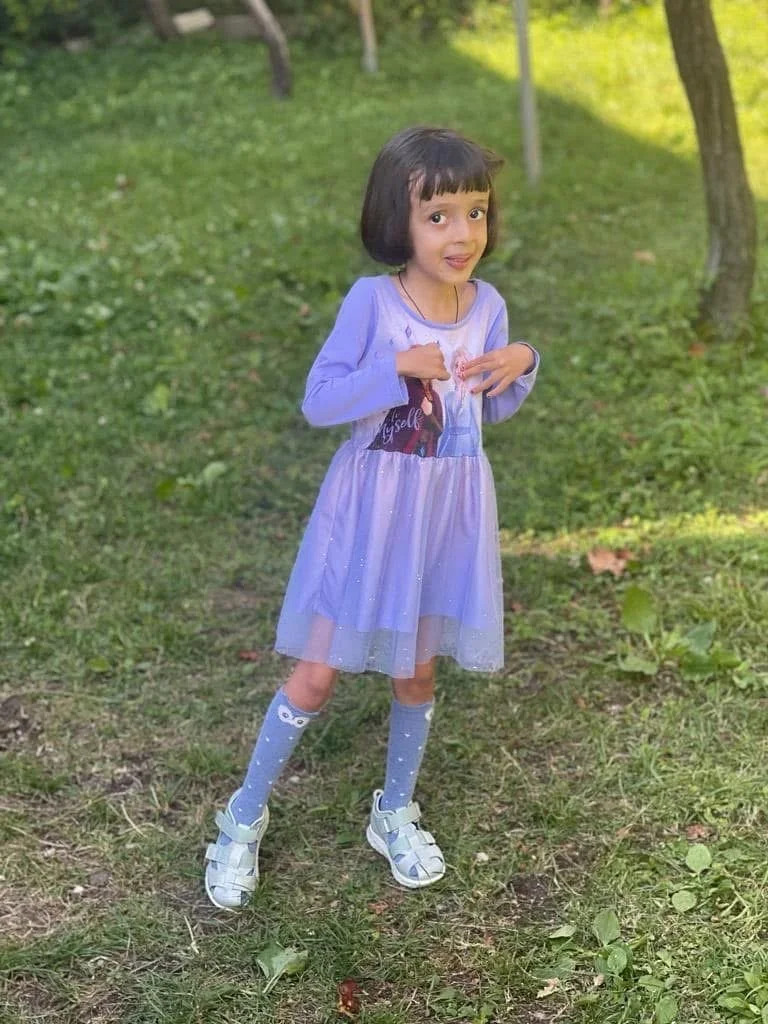
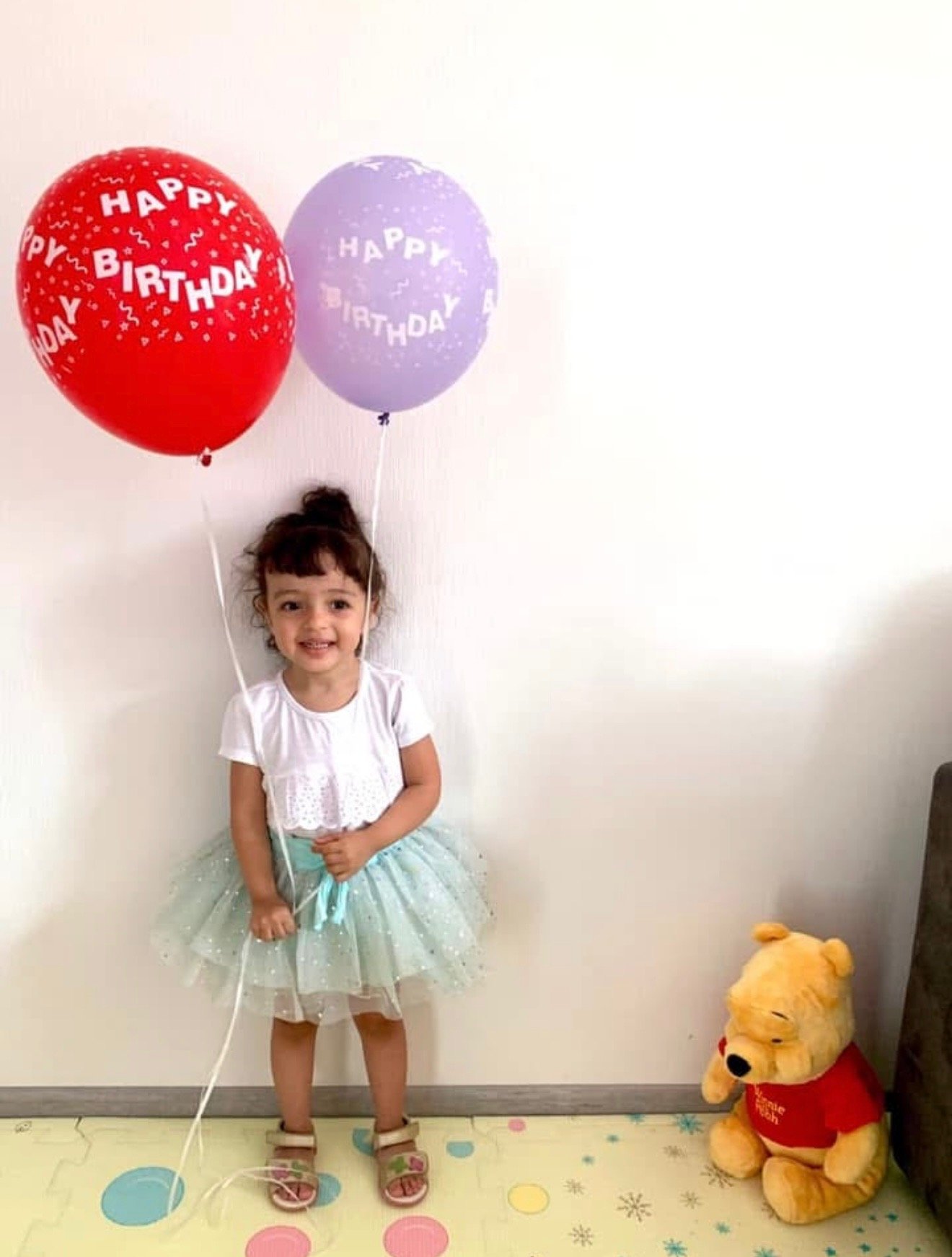
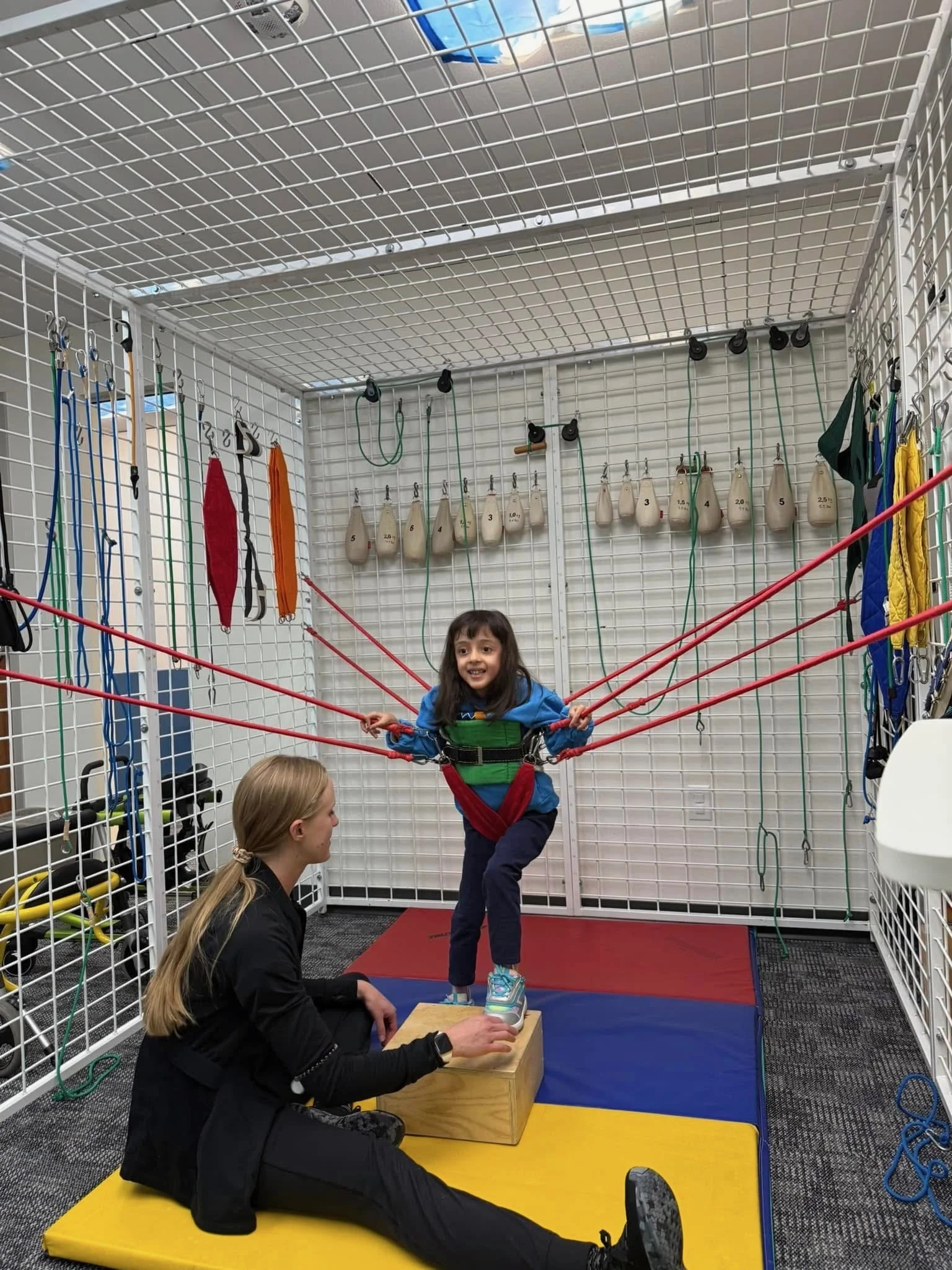
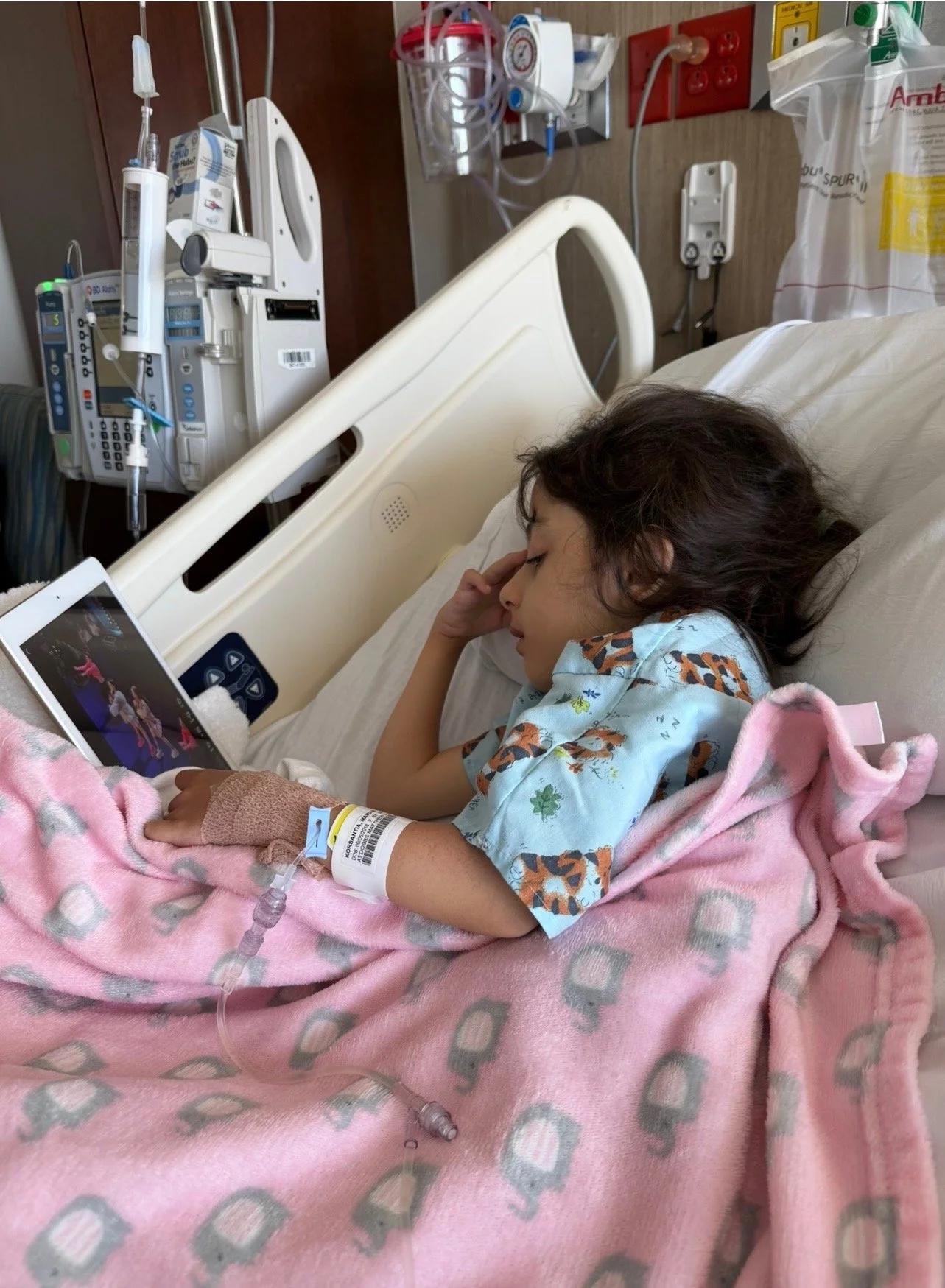
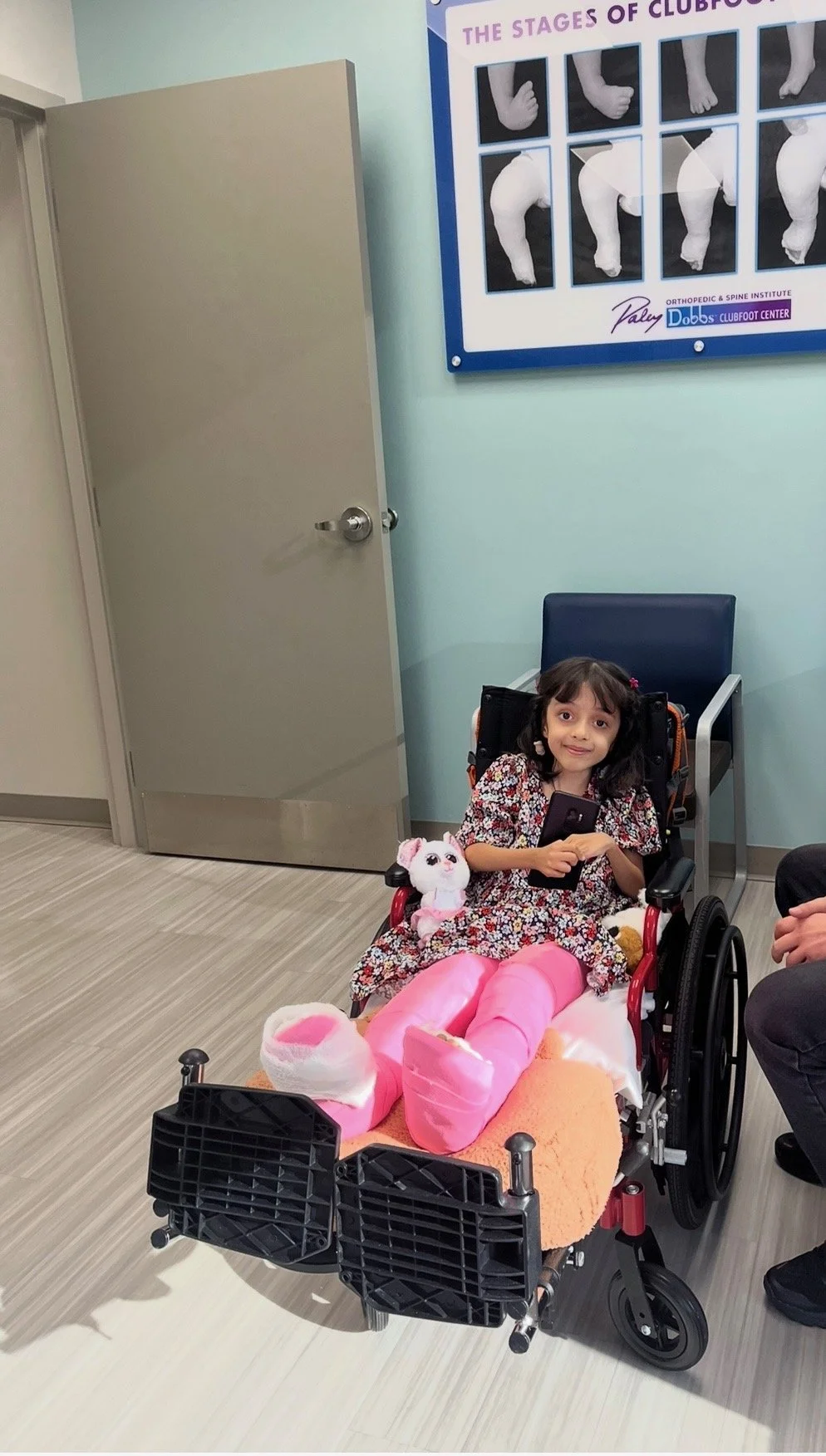
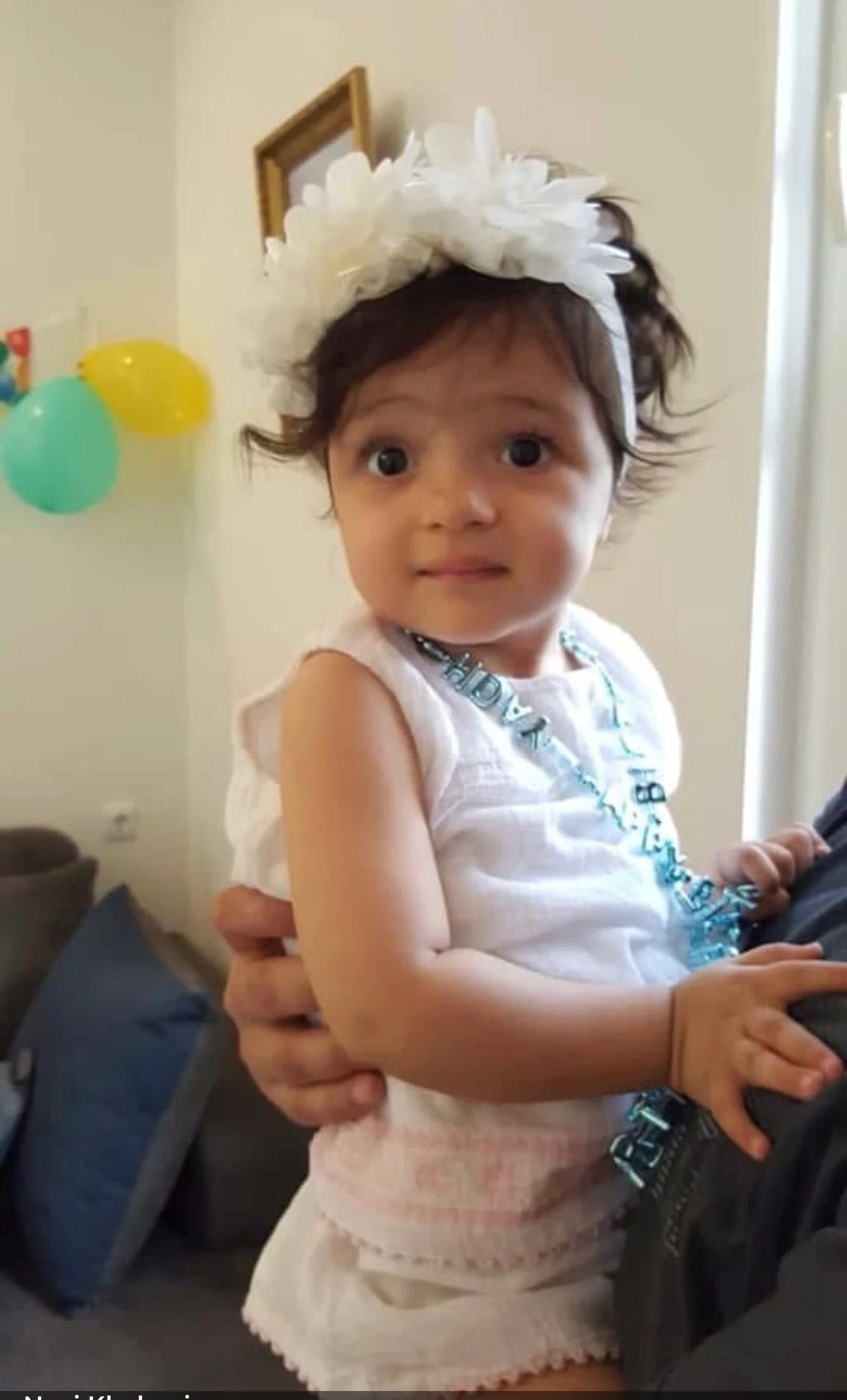
Mariam is strong not because she never struggles, but because she constantly has to adapt to a new reality. She faces changes and challenges that no child her age should ever have to experience.
Her treatment has required her to leave her homeland and travel with her family to another country. It has been a journey filled with hope, challenges, difficult decisions, and countless emotions. And this journey continues to this day, with regular medical appointments, examinations, rehabilitation, and ongoing monitoring.
We do not know what the future holds. We do not know when a new treatment might become available that could change Mariam’s condition. But we know one thing for certain: we will never stop fighting for her.
She keeps trying. She keeps moving forward.
Every day, she fights to do the things that come naturally and effortlessly to so many others And despite everything, she still finds reasons to smile, dance, laugh, and love.
Mariam teaches us that strength does not always mean being able to walk independently. Sometimes, strength means facing each new day, holding on to hope, and continuing forward even when the road is incredibly difficult.
She continues her journey with faith, love, and the hope that one day she will be able to do so much more than she can today.
And we will be by her side every step of the way.