Ella G.
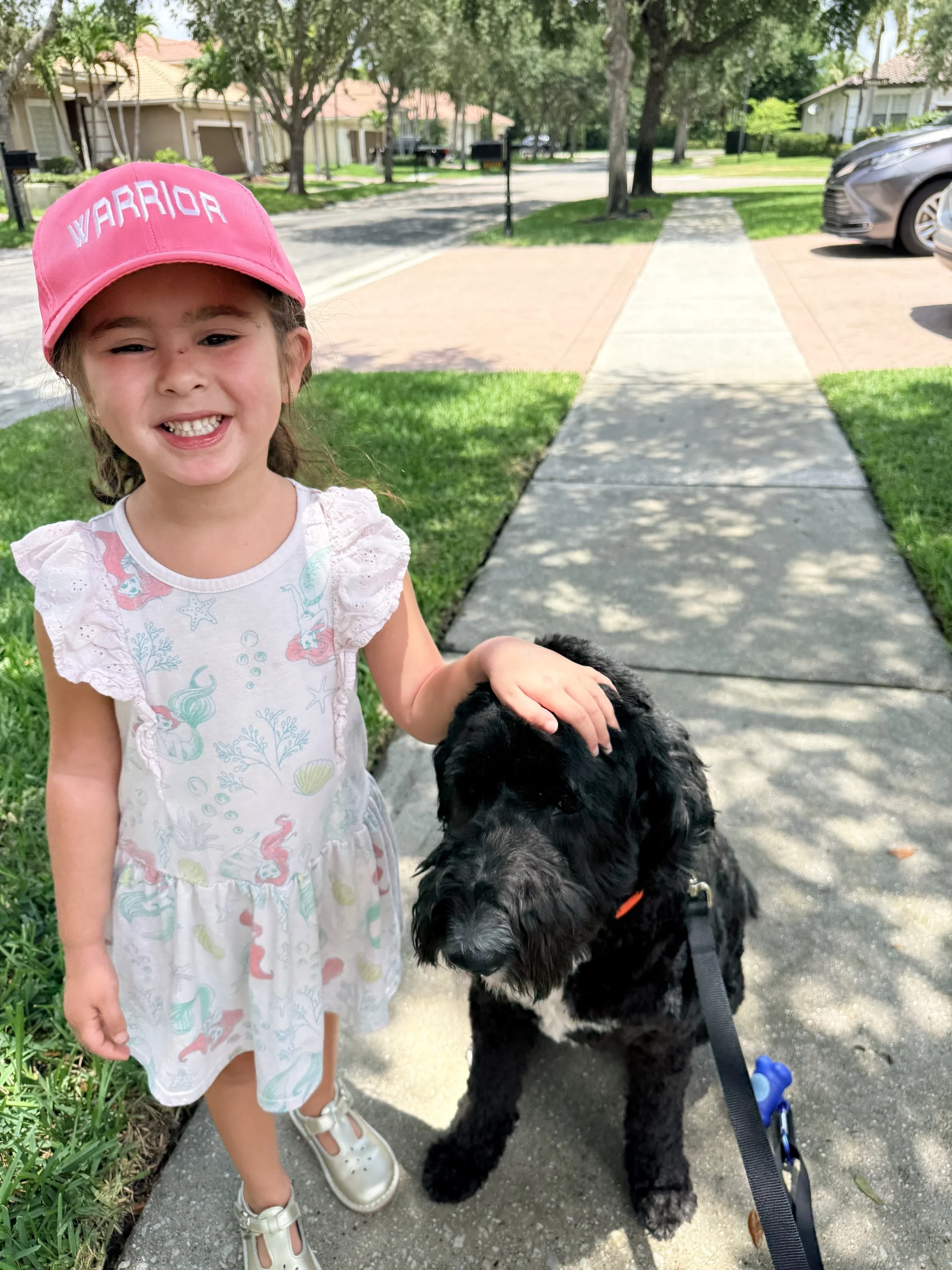
At 8 months old, I noticed Ella was sitting differently than other babies. That one small observation led us to see her pediatrician which sent us to a specialist, where she was diagnosed with hypotonia and began physical therapy. After making great progress, she was eventually discharged.
Then, around age 2, we started noticing severe in-toeing. By age 3, it had become much worse. She was falling constantly, struggling to keep up, wanting to sit while others were playing and we knew something still wasn't right. We were referred to neurology, where Ella was diagnosed with Ehlers-Danlos syndrome- a connective tissue disorder.
That diagnosis led us to genetic testing as we searched for more answers. The results came back with something we never expected, a secondary finding of Hereditary Hemorrhagic Telangiectasia (HHT) a rare vascular disorder.
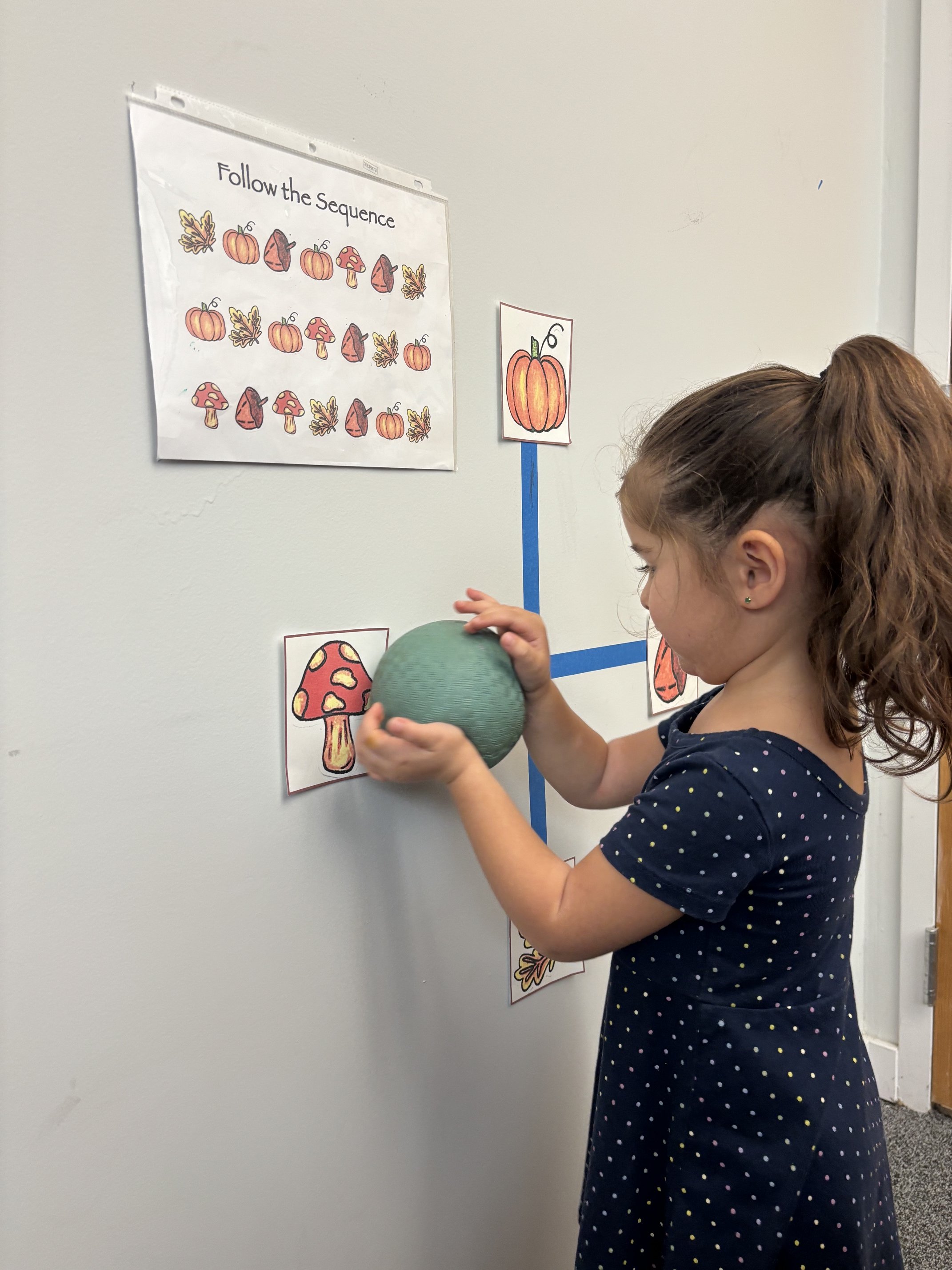
Because of her hypotonia and Ehlers-Danlos syndrome, therapy isn't something she'll outgrow. It's a lifelong part of her journey. Right now, she goes to physical therapy every Tuesday and Thursday and speech and occupational therapy every Monday and Wednesday. Those therapies help strengthen her body, improve her stability, support her communication, and help her stay as independent as possible.
Then HHT added another layer to our story. Along with therapy, our life now includes specialists, routine screenings, sedated MRIs, and lifelong monitoring. While HHT doesn't require therapy itself, it requires constant vigilance to make sure vascular malformations are found and treated early so they do not rupture and cause internal bleeding/hemorrhaging. It's another reminder that even when Ella looks perfectly healthy, her body is fighting battles most people never see.
Kids with Ehlers-Danlos syndrome have to work ten times harder at the simple things most people never even think about: Walking without pain. Sitting up straight. Holding a pencil. Keeping up on the playground. Their joints are unstable. Their muscles have to work overtime to compensate. Their bodies tire more quickly. Things stretch that shouldn't. Hurt that shouldn't. What looks basic to the outside world often takes incredible strength, focus, and determination behind the scenes.And Ella?
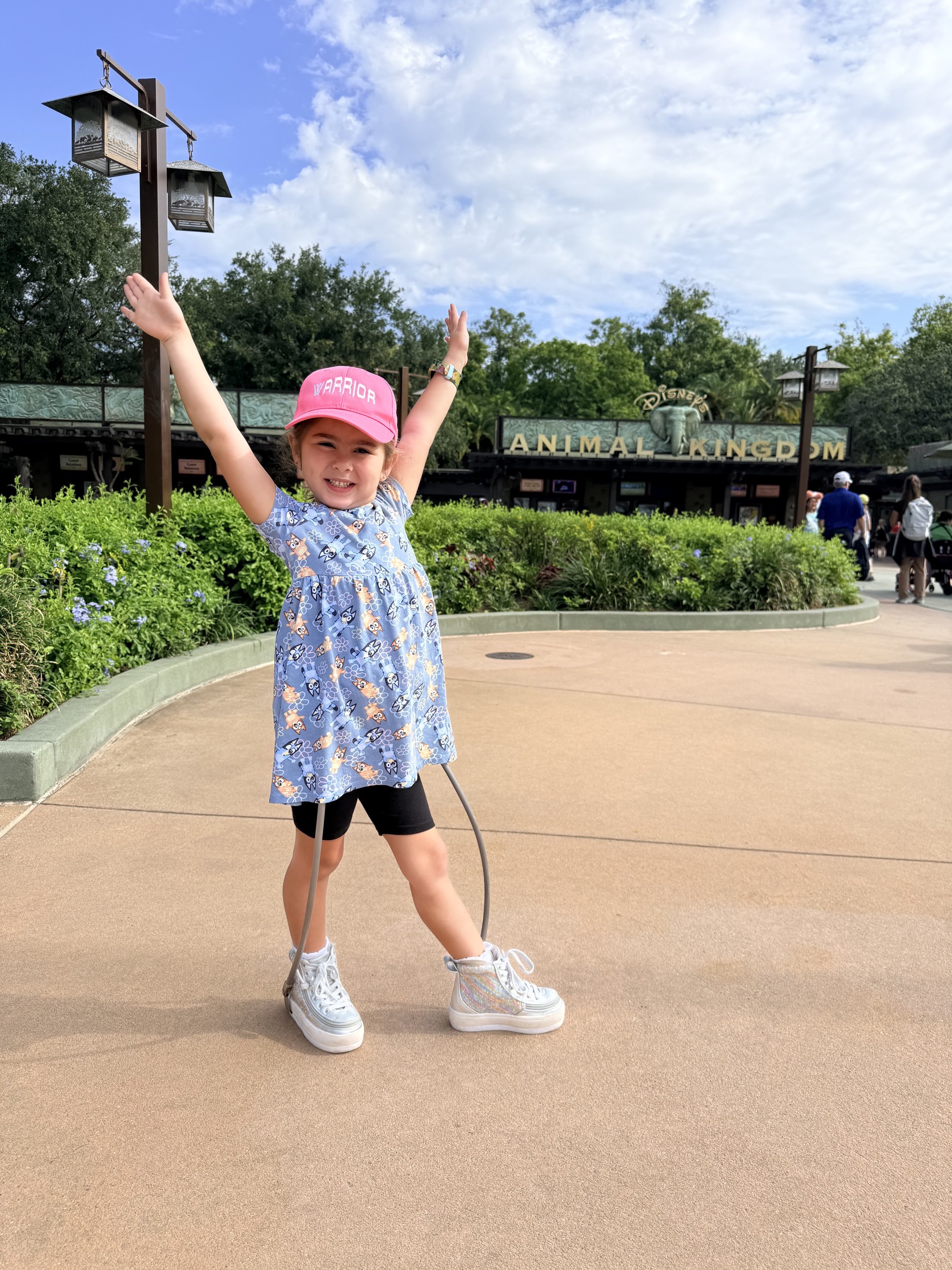
She pushes anyway. She keeps going anyway. She works hard just to do what comes naturally to so many others. Four therapy sessions every week. Countless doctor appointments. Braces for her feet. Twister cables. Exercises. And somehow, she still finds a reason to smile, dance, laugh, and love.
She may have to work harder than most, but she does it with the biggest heart and the strongest spirit.